During a recent Incendo Trainer Development Programme, I found myself sharing a story that still makes me wince and laugh in equal measure. It’s one of those moments that lives long in a trainer’s memory and it turned out to be the perfect example of how much we learn from failure.
Around 20 years ago when I was an NHS employee, I was working as a trainer across two hospital sites on the south coast of England. One morning, I drove to the Anaesthetic Seminar Room as per the paperwork supplied by the Learning & Development team. This was a venue I’d used before on several occasions; I arrived early, set up the room beautifully and waited for my participants to arrive. By 9:00am, the start time, I was still alone in my perfectly arranged but very empty training room.
Then my phone rang. A voice on the other end said, “There are a dozen people sitting in the Anaesthetic Seminar Room waiting for your course to start – where the hell are you?”.
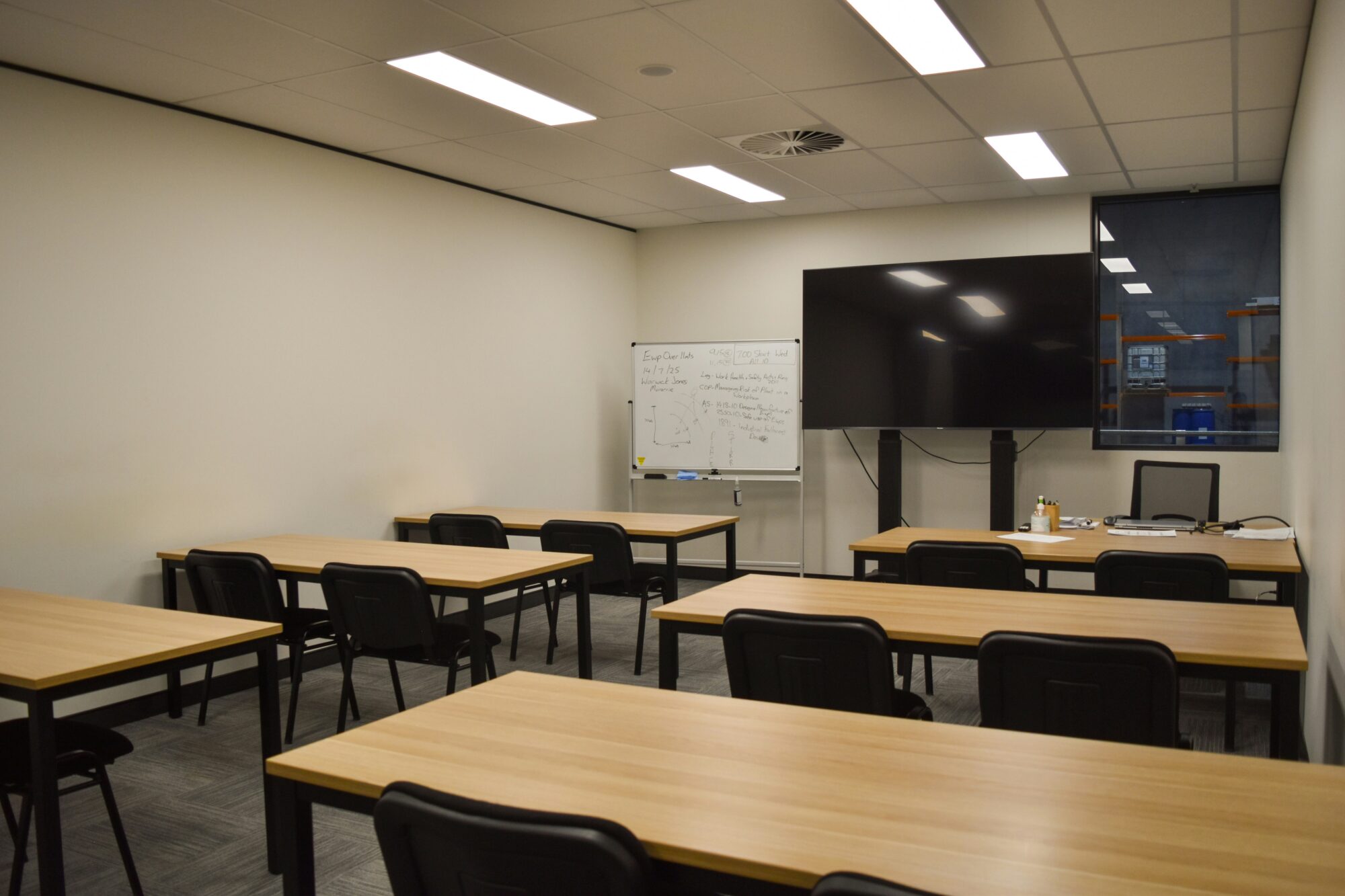
That was the moment I discovered there were two Anaesthetic Seminar Rooms, one at each hospital – and I was at the wrong one.
I still remember the mix of panic, embarrassment and disbelief as I packed up my materials and raced across the city. It took me around 40 minutes to get to the correct venue, and we therefore didn’t get started until 9:45am. That may not sound like much, but in a tightly packed training day, losing that time could have been fatal to the flow of the course.
Fortunately, one of the design principles I use for any workshop saved me that day: I make every course scalable. I always have a version in my head that would still work if I lost 10% or 20% percent of the time, whether because of late starts, tech issues, double-booked rooms (a common theme with some clients!) or, in this case, being at entirely the wrong location.
A lot of traditional train-the-trainer programmes still place huge emphasis on creating a detailed lesson plan with a minute-by-minute schedule of what the trainer will be covering. While that kind of guide can be useful, it can also give a false sense of control. Real learning spaces are unpredictable – people arrive late, discussions take unexpected turns, technology fails, or the trainer ends up in the wrong building. Having a clear purpose and adaptable structure matters more than sticking rigidly to a timetable. This is just one of many ‘grounded in the real world’ principles that I share with new and experienced facilitators on Incendo’s workshops for trainers, alongside all the solid adult learning theory that you’d expect.
That foresight meant I could compress the session without it feeling rushed or incomplete. More importantly, it reminded me how vital it is for trainers to plan for imperfection, because real learning environments rarely go exactly to plan.
As trainers and facilitators, I’m pretty confident in stating that our credibility doesn’t come from being flawless; it comes from how we respond when we’re not. Sharing our own “epic fails” helps others see that learning is messy and human, not polished and perfect. It also makes it easier for participants to take risks, ask questions and admit confusion.
So the next time something goes wrong in one of your training sessions, take a breath, smile and remember: it might just become the story that connects you most deeply with the people you’re there to help.