Here at Incendo HQ, we love good quality, non-fiction books about personal development and wellbeing – so, to mark Mental Health Awareness Week 2024, I am recommending five well-thumbed titles from the office bookshelf. Although none of these should be seen as a substitute for professional advice if you’re experiencing mental health challenges right now, each book offers guidance and insights into making positive changes to support good mental health.
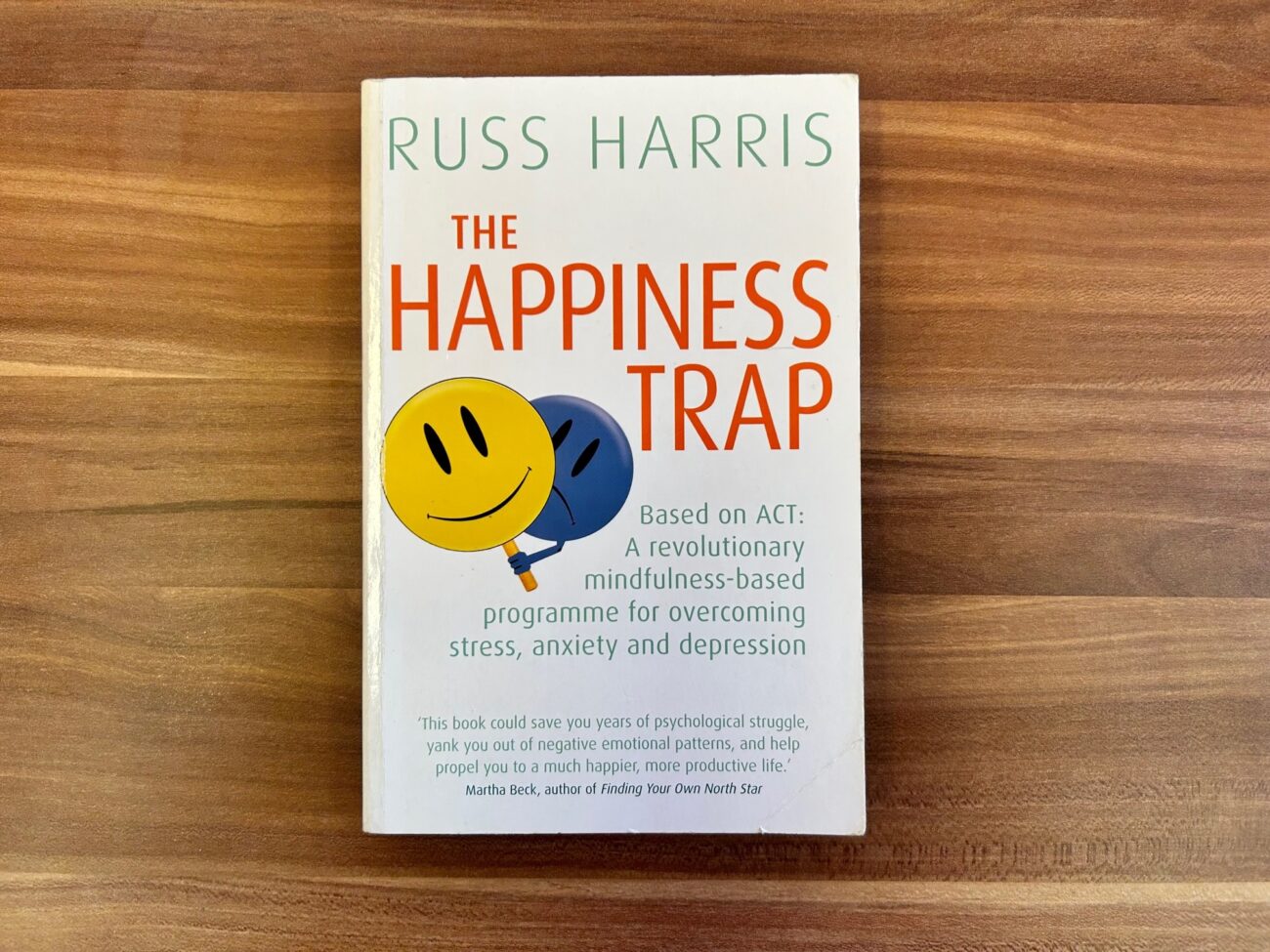
‘The Happiness Trap’ by Russ Harris
‘The Happiness Trap’ is a practical and insightful guide to overcoming the common pitfalls associated with the pursuit of happiness. Russ Harris introduces the concept of Acceptance and Commitment Therapy (ACT) to help you develop psychological flexibility and find a more meaningful and fulfilling life. Although this isn’t the only book about ACT on my shelf, I recommend this one because it provides useful exercises and tools that have helped me overcome negative thoughts and emotions, and live more fully in the present moment. ‘The Happiness Trap’ is a valuable resource for anyone looking to improve their mental wellbeing and find greater satisfaction in life.
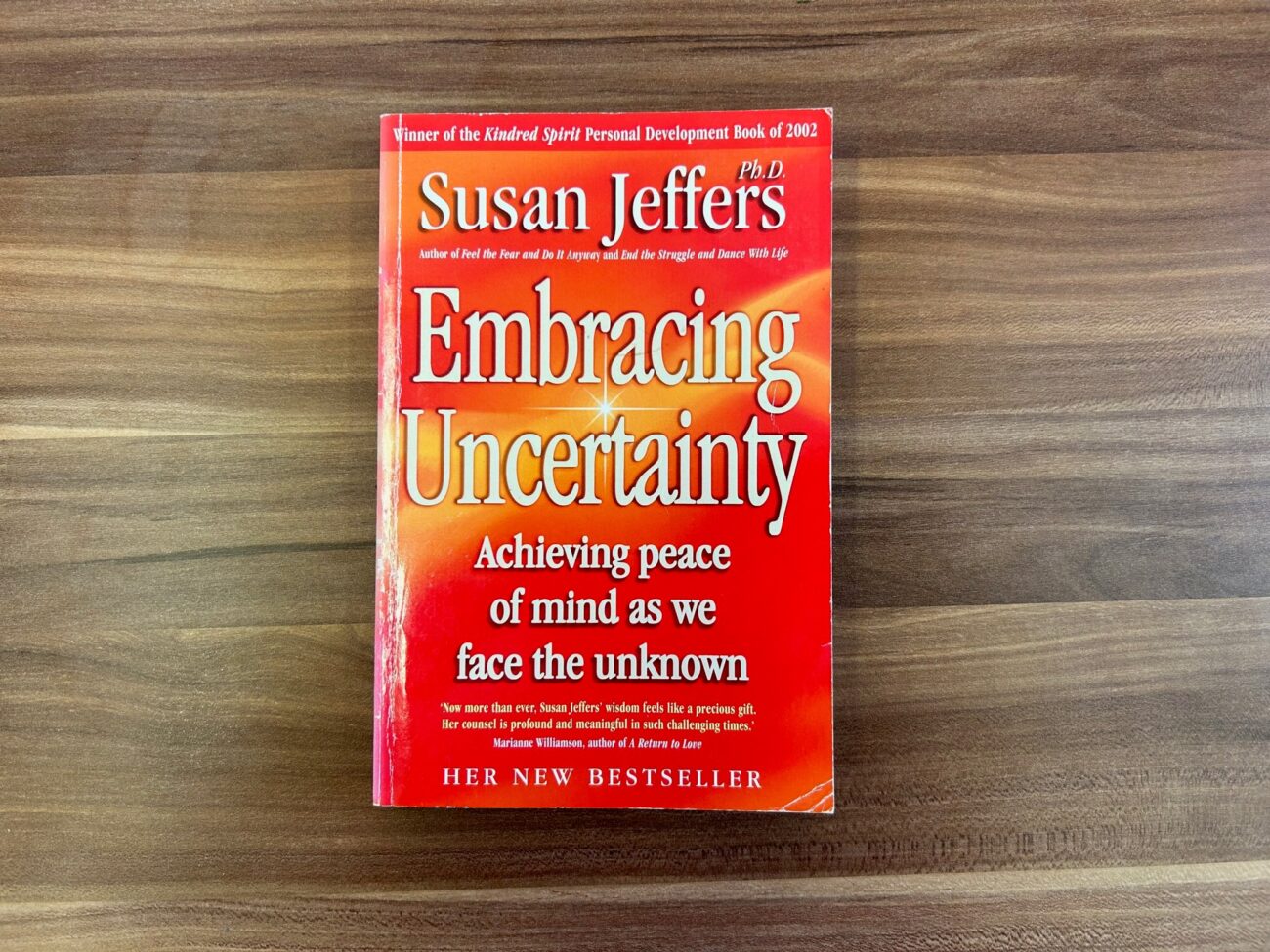
‘Embracing Uncertainty’ by Susan Jeffers
‘Embracing Uncertainty’ is a thought-provoking and practical guide for anyone struggling with the fear of the unknown (isn’t that all of us, at times?). In this book, Susan Jeffers encourages you to shift your mindset and view uncertainty as an opportunity for growth and exploration, rather than a source of anxiety. The book offers a variety of strategies and exercises to help readers build resilience and develop a more positive outlook on life. Over the years, I have recommended ‘Embracing Uncertainty’ to countless people and I still dip into it myself. During the height of the pandemic in 2020, I know that it helped a number of my clients to overcome their fear of the unknown and live a more fulfilling life while in a state of flux.

‘Boys Don’t Cry’ by Tim Grayburn
Mental health problems can affect anyone, but discrimination and stigma can make people apprehensive to open up about their experiences and seek help. Mental health in men continues to be a taboo subject, with many of us suffering in silence when we experience feelings of sadness, loneliness or anxiety. ‘Boys Don’t Cry’ is a powerful and honest memoir about the author’s struggle with mental illness and the societal pressures placed on men to hide their emotions. Tim Grayburn’s storytelling is raw and compelling, and his willingness to share his vulnerabilities and experiences is both brave and enlightening. This book is a must-read for anyone seeking to understand the complex relationship between mental health and masculinity.

‘Brilliant Life’ by Michael Heppell
‘Brilliant Life’ is an inspiring and practical guide to living your best life (not in a filtered, Instagram kind of way – this is about an authentic best life). Michael Heppell is from the north-east of England, which might play a part in why I find all of his books to be refreshingly straightforward and often funny; they’re a million miles away from the rather San Francisco self-help literature that emerged in the early 2000s. His writing style is engaging and easy to understand, and he provides actionable tips and exercises to help you improve your mindset, relationships and overall wellbeing. Whether you’re looking to boost your productivity, reduce stress, or find more happiness and fulfilment in your life, I highly recommend ‘Brilliant Life’.

‘S.U.M.O.’ by Paul McGee
I bought ‘S.U.M.O.’ (which stands for “Shut Up, Move On”) when it first came out in 2005. At the time, I was working in a dysfunctional team, I had an inept boss and the work I was doing was largely unfulfilling. The book helped me to navigate those challenges and then prompted me to share Paul McGee’s ideas with others who were facing the same negative situation. Like other books I recommend in this article, ‘S.U.M.O.’ continues to be a book I dip into 18 years later. It’s an insightful and engaging read that offers practical wisdom for personal and professional growth. The S.U.M.O. philosophy encourages you to take responsibility for your life and overcome obstacles with a positive mindset. It helps that Paul McGee’s writing style is clear, humorous and very relatable.