This week, I delivered a live webinar for clients in the healthcare sector on Making Invisible Disability Visible. What stood out was not just the content, but the quality of attention in the virtual training room. People engaged thoughtfully, contributed generously and spoke with honesty about the assumptions they see, and sometimes make, in their busy working environments.
Invisible disabilities and long-term conditions are far more common than many people realise. They include chronic illness, neurodivergence, mental health challenges, sensory differences and fluctuating conditions that may never be obvious to others. Yet workplace systems and everyday behaviours are often designed around what is visible, typical, or assumed.
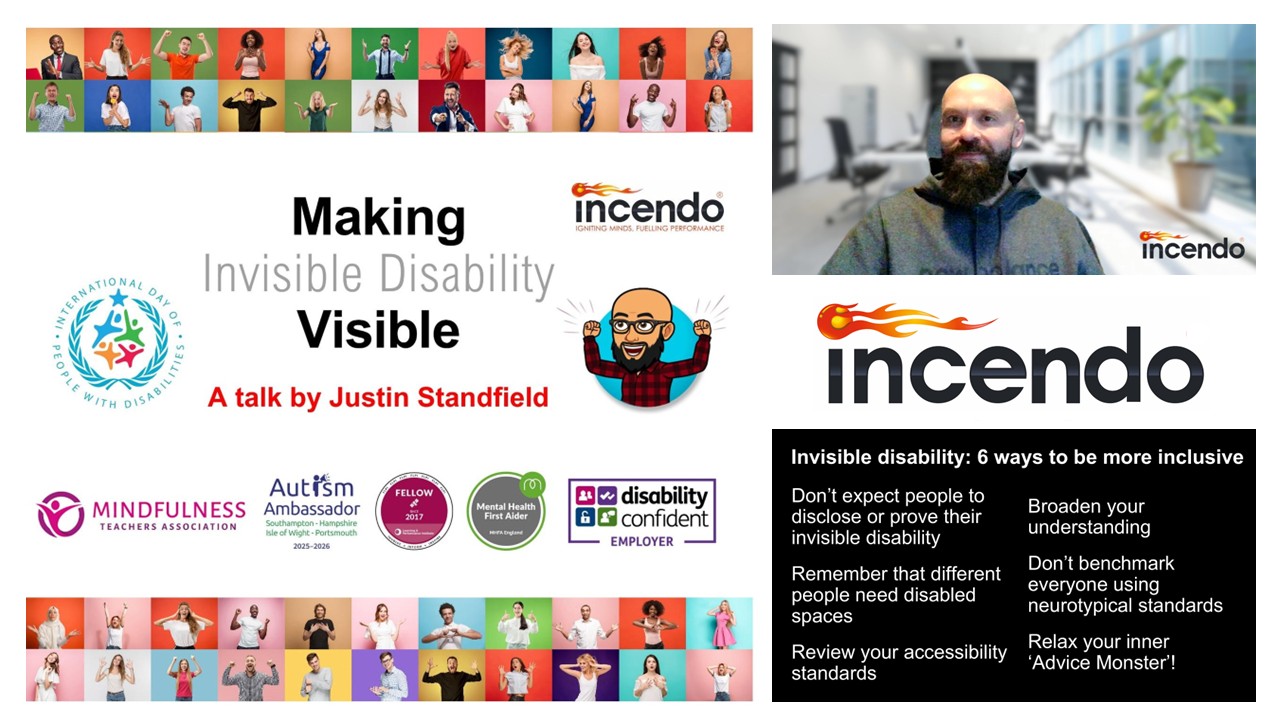
During the session we explored common myths and misconceptions, what invisible disability actually means and why disclosure should never be a prerequisite for support. Everyone is entitled to choose whether or not to disclose a disability or health condition. Many people choose not to, because past experiences of stigma, judgement or well-meaning but clumsy responses have taught them that silence feels safer.
This is why inclusive practice cannot rely on individuals explaining themselves. Inclusion starts with how we communicate and behave with everyone. When managers and colleagues use clear language, avoid assumptions, and respond without judgement, they create psychological safety for people they may never realise need it.
We also talked about access and entitlement. Disabled spaces are not only for wheelchair users, and not every disability is visible. People with hidden conditions are often questioned, challenged, or judged for using spaces they are legally and morally entitled to. A simple reminder that “not all disabilities are visible” can shift attitudes and reduce harm, particularly in shared environments.
Accessibility came up repeatedly. Many organisations associate accessibility with physical adjustments, but invisible disabilities require flexibility too. Clear written communication, simple English, explicit instructions, captions and transcripts, alternative text for images, and good colour contrast all make a difference. These adjustments rarely benefit only one group – they tend to improve clarity and usability for everyone.
Another key theme was the risk of benchmarking people against neurotypical standards. Expectations around eye contact, communication style, tolerance of noise, or the ability to interpret vague instructions can unintentionally exclude neurodivergent colleagues. Rethinking what “professional” or “acceptable” looks like opens the door to more equitable ways of working, without lowering standards or performance.
We closed by talking about support and the fact that the urge to fix, advise, or reassure can be strong, particularly in caring professions. Yet meaningful support starts with listening, curiosity and letting the other person stay in control of what they share and what they need.
The openness in the session suggested a genuine appetite for doing better, not perfectly, but more thoughtfully. Invisible disability may be unseen, but its impact at work is very real. When organisations take the time to build understanding, challenge assumptions, and embed inclusive behaviours into everyday practice, people are more likely to stay well, engaged and able to do their best work.
If you would like to explore running Making Invisible Disability Visible for your organisation, I would be glad to talk. The session is practical, reflective and designed to translate awareness into everyday action.
Invisible does not mean insignificant. Making it visible changes how people experience work.